Countertop vs Over-the-Range Microwave: Fit First in 2026
Countertop vs over the range microwave in 2026: compare cavity size, venting CFM, 30-inch cutouts, clearance rules and long-term reliability before you buy.
Reader-supported: we may earn a commission from links on this page, at no extra cost to you. It never affects our picks. Learn more.
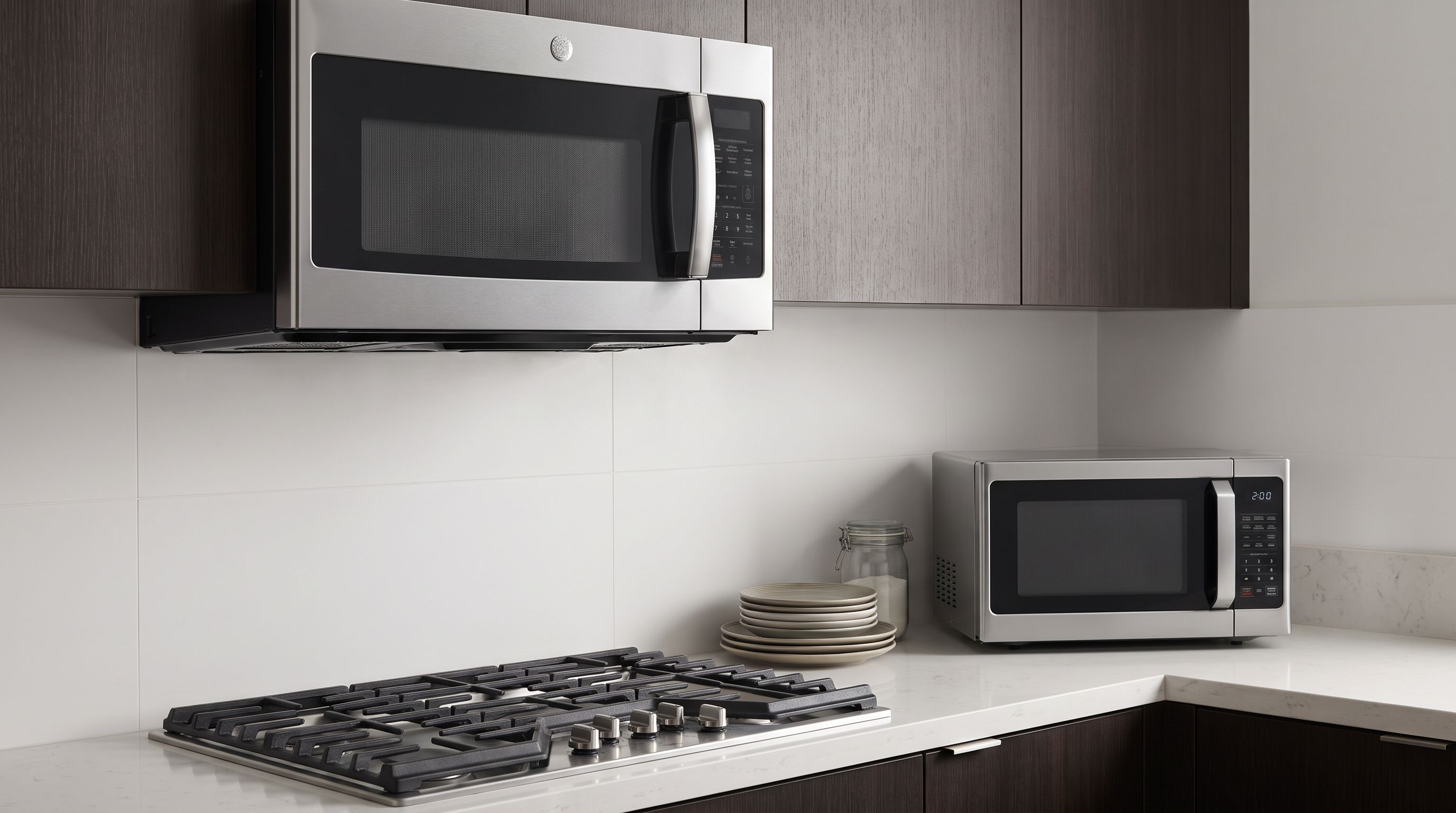
Most microwave buying advice starts with wattage. That's the wrong first question. The decision that actually determines whether you'll be happy in three years is where the box lives — on your counter, or bolted to studs above your range, doing double duty as a vent hood.
Get that right and the rest is details. Get it wrong and you've either lost a third of your prep space or committed to a ventilation system that can't keep up with a hard sear.
Here's how to think about countertop vs over-the-range microwaves in 2026, based on our comparison of manufacturer specs, independent lab reviews, and long-run owner feedback.
The short version
- Buy a countertop microwave if you have a dedicated spot that isn't prime prep space (a shelf, an appliance garage, a pantry counter), if you cook anything with real smoke or grease, or if you want the best cooking performance per dollar.
- Buy an over-the-range (OTR) microwave if counter space is the scarce resource, you already have a 30-inch cabinet cutout and a microwave up there, and your cooking skews toward pasta water and weeknight chicken rather than wok-searing and bacon.
The uncomfortable truth, echoed by every major test kitchen: an OTR microwave is a mediocre range hood and a merely adequate microwave. It's a space compromise, not an upgrade.
Cavity size: the number on the box lies
Over-the-range models are usually advertised at 1.7–2.1 cu ft, versus 0.9–2.2 cu ft for countertop units. That sounds like OTR wins. It doesn't, quite.
OTR cavities are wide and shallow. The turntable sits in a box that's short front-to-back and low in height because the whole unit has to tuck under a cabinet while leaving clearance above your burners. Lab testers have repeatedly noted that only about half the stated cavity is genuinely usable for a casserole or a tall travel mug. A 9x13 Pyrex dish will often fit an OTR on the diagonal only — and sometimes not at all once you account for the turntable sweep.
Countertop cavities are closer to cubic. A 1.6 cu ft countertop like the Panasonic NN-SN77HS swallows a dinner plate plus a mug with room to rotate; a 1.2 cu ft unit like the Toshiba ML2-EM12EA(BS) handles a standard dinner plate but not much more.
Practical test before you buy: measure your largest frequently microwaved dish and compare against the turntable diameter, not the cubic feet. Turntable diameter is the honest spec.
Venting: CFM, recirculating vs ducted, and what it actually means
This is the real argument for OTR — and the real catch.
Over-the-range microwaves include a fan and filters that work in one of two modes:
- Ducted (vented outside): air and grease leave the building. Genuinely effective.
- Recirculating: air passes through a charcoal filter and blows back into your kitchen. It removes some odor and almost no heat or moisture.
A large share of OTR installs in existing homes are recirculating because there's no duct run. If that's your situation, the "ventilation" is mostly symbolic.
Even ducted, OTR fans top out around 300–550 CFM on the better 2026 models. A standalone chimney or under-cabinet hood commonly starts where OTR models end and climbs well past it, with better capture area because the hood extends further over the front burners. OTR blowers also pull air from directly above the burner plane — the microwave body blocks the natural plume — so capture efficiency is lower per CFM than a true hood.
Noise matters too: OTR fans at high speed are loud, and because the unit sits at head height, you hear all of it.
Clearance and cutout dimensions: the numbers that stop projects dead
Almost every OTR microwave in North America is built for a 30-inch wide cabinet opening, with mounting via a rear wall plate (into studs) plus top bolts through the upper cabinet floor. Common constraints:
- Width: 29–7/8 in. typical cabinet opening. A 36-inch range under a 30-inch microwave looks and works badly.
- Height to cooktop: manufacturers generally specify a minimum vertical clearance from the cooktop to the bottom of the microwave — commonly in the 13–18 inch range depending on brand and whether the range is gas or electric. Always read the specific installation manual, and check your range's manual too, since range makers also publish a minimum.
- Depth: standard OTR bodies project 15–17 inches, which puts the door edge near your face at the front burner. Low-profile models like the Whirlpool WMMF5930PZ are designed to reduce the headroom problem specifically — a slim hood-style body for kitchens where a full-size OTR would be a forehead hazard.
- Power: a dedicated 120V 20A circuit is typical, with the outlet located inside the upper cabinet.
Countertop units need far less: clearance on the sides and top for airflow (check the manual — several inches is typical), a nearby outlet, and ideally not a spot where the door swings into a walkway. Built-in trim kits exist for many countertop models if you want a flush cabinet look, but they add cost and lock you into one replacement model.
Reliability over multiple years
Across owner feedback, the recurring complaint patterns differ by type:
Over-the-range: door switch and door latch failures (the most common cause of a dead OTR), control panel membranes degrading from heat and steam rising off the cooktop, grease-caked filters and fan housings, and magnetron failures in the 4–7 year window. Replacement is also a two-person job with a mounting plate and a drill.
Countertop: magnetron failure, turntable motor failure, and door-switch issues as well — but a countertop unit is unplugged and carried out in two minutes. The low replacement friction is a genuine ownership advantage that doesn't show up on a spec sheet.
Inverter models (Panasonic's NN-SN77HS, Breville the Smooth Wave) deliver continuous reduced power instead of cycling full power on and off, which produces noticeably better defrosting and gentler reheats. That's a cooking-quality advantage countertop buyers can access more easily than OTR buyers, since inverter OTR models are rarer.
 Premium countertop pick · Breville the Smooth Wave — Check price on Amazon →
Comparison table
| Factor | Countertop microwave | Over-the-range microwave |
|---|---|---|
| Typical capacity | 0.9–2.2 cu ft, boxy and usable | 1.7–2.1 cu ft, wide and shallow |
| Usable interior | Close to stated volume | Often ~half is practically usable |
| Ventilation | None | 300–550 CFM, ducted or recirculating |
| Install | Plug in | 30-in cutout, stud mounting, cabinet outlet |
| Clearance rules | Side/top airflow gap | Minimum cooktop-to-unit height per manual |
| Counter space | Consumes it | Frees it |
| Cooking tech | Inverter widely available | Inverter rare |
| Replacement effort | Unplug and swap | Two people, drill, mounting plate |
| Common failures | Magnetron, turntable motor | Door switch, control panel, grease buildup |
| Door height | Comfortable | Reaching over hot burners |
Which should you actually buy?
If you have the counter space or a shelf: go countertop and spend the money on cooking quality. The Breville the Smooth Wave is the premium choice reviewers rank at the top for even heating and genuinely useful presets. The Panasonic NN-SN77HS is the value-per-watt pick at 1250W with inverter control. The Toshiba ML2-EM12EA(BS) is the one to buy when the footprint is the binding constraint — apartments, dorms, RVs, offices.
If you're replacing an existing OTR: the GE JVM6175 is the sensible default — it's the model most expert roundups land on, it installs into the standard 30-inch opening, and it includes sensor cooking that actually shortens reheats. Keep the duct run if you have one.
If headroom over the cooktop is tight: the Whirlpool WMMF5930PZ low-profile design preserves working space above the front burners while still providing a vent and a usable cavity.
If you cook seriously and have the budget: the best answer is neither. Put a real ducted hood over the range and a countertop or drawer microwave elsewhere. You'll cook better and you'll replace the microwave in five minutes when it dies.
FAQ
Can I put a countertop microwave inside a cabinet? Only if the manual allows it or you buy the matching trim kit. Microwaves vent heat out the sides and back; boxing one in without clearance shortens its life and can trip thermal cutoffs.
Is 300 CFM enough ventilation? For boiling, simmering and light sautéing on an electric cooktop, usually yes. For a high-BTU gas range, regular searing, or wok cooking, it isn't — and if your OTR is recirculating rather than ducted, the number barely matters.
Do over-the-range microwaves fit a 36-inch range? Not well. The standard OTR is 30 inches wide, so the outer burners sit outside the capture area. You'd want a dedicated 36-inch hood instead.
Does higher wattage mean faster cooking? Roughly, yes — 1000–1250W heats faster than 700–900W. But even heating depends more on inverter control and turntable design than peak wattage.
How long should a microwave last? Plan on 7–10 years. Door switches and control panels usually fail before the magnetron, and on an OTR that failure is far more expensive to fix because of labor and access.
Our picks
GE JVM6175 Over-the-Range Microwave
The default OTR pick in most expert roundups: 1.7 cu ft, sensor cooking, standard 30-inch install.
Breville BMO870BSS Combi Wave 3-in-1, Brushed Stainless Steel
Inverter power, smart presets and a quiet soft-close door — the countertop model reviewers rank highest.
Panasonic NN-SN77HS Countertop Microwave
1250W inverter cooking in a 1.6 cu ft cavity; even reheats without the rubbery edges.
Toshiba ML2-EM12EA(BS) Countertop Microwave
1.2 cu ft footprint with a mute button and clear presets — fits tight counters and apartments.
Whirlpool WMMF5930PZ Low Profile Over-the-Range Microwave
Slim hood-style body preserves headroom over the cooktop while still venting and reheating.
Get the best kitchen gear deals in your inbox
Join the PrepDeck newsletter for hand-picked kitchen gear deals and new buying guides. No spam, unsubscribe anytime.
Related reads
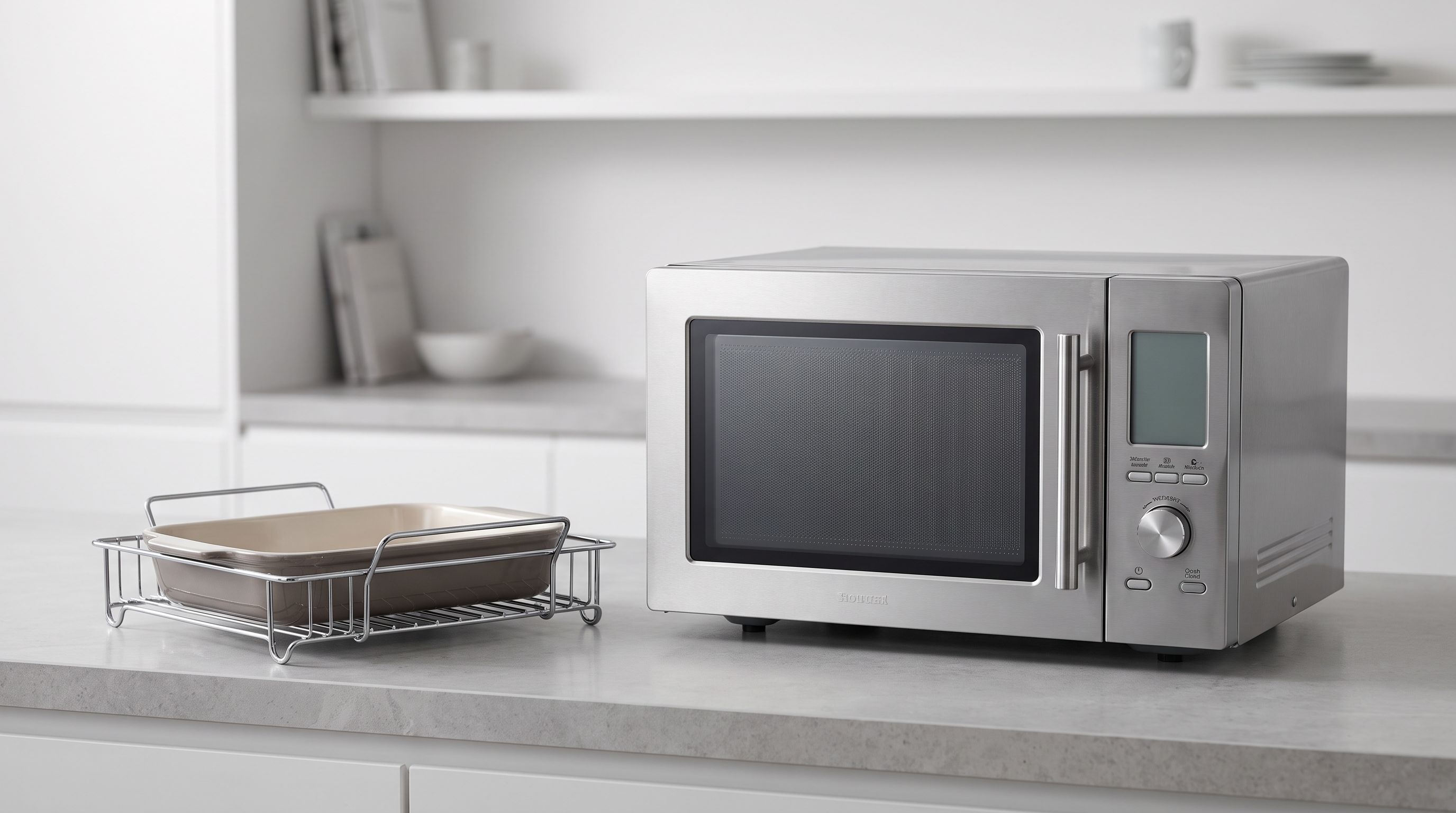
Convection Microwaves in 2026: 5 Picks by Cubic Feet
The best convection microwave 2026 picks compared by interior cubic feet, turntable diameter and external footprint — so you know what actually fits your counter.
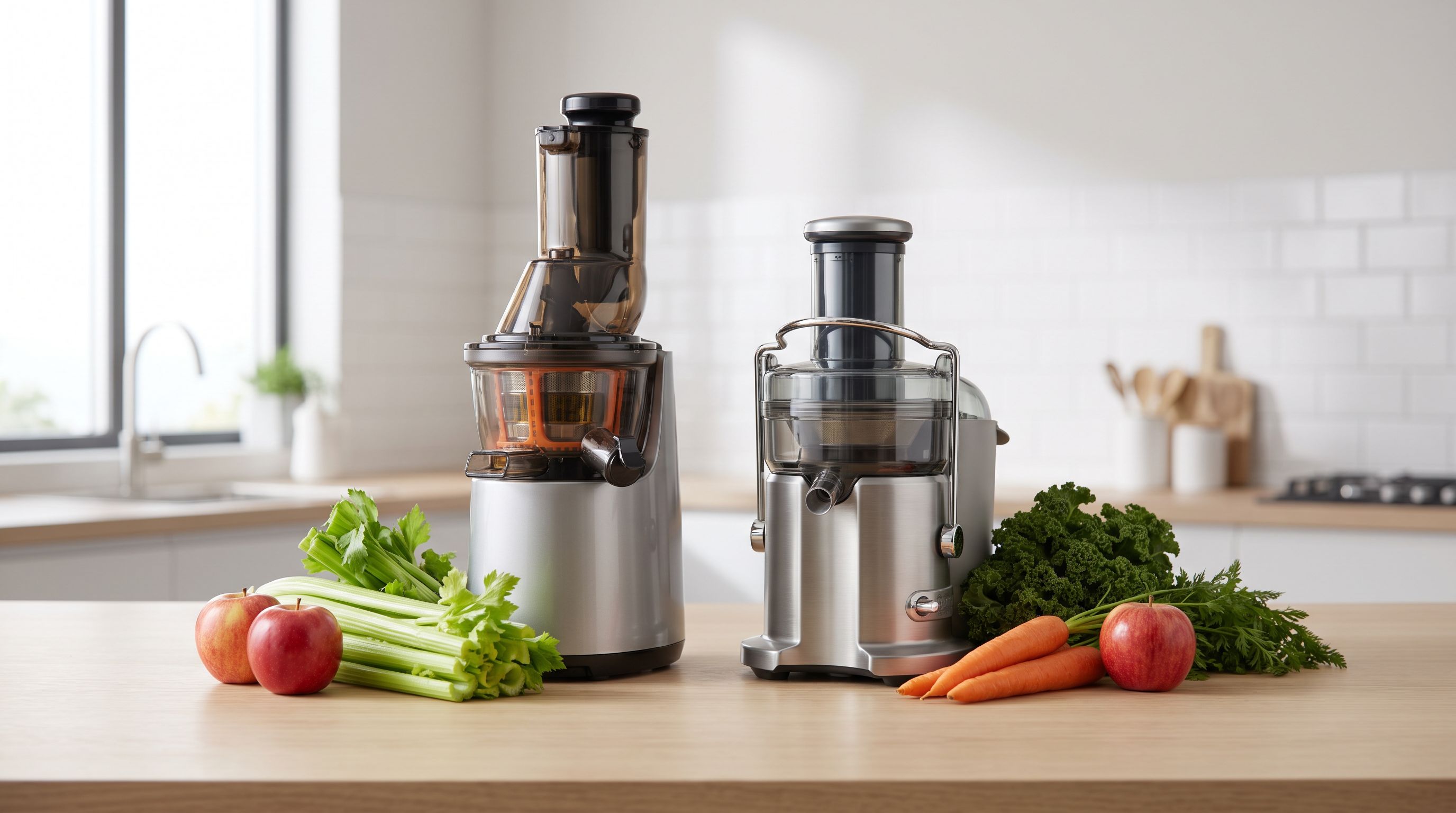
Auger vs Centrifugal: The Best Juicer 2026 Buyers Argue Over
Auger or centrifugal? We compare torque, feed chute size, pulp dryness and cleanup to help you choose the best juicer 2026 has for your produce and counter space.
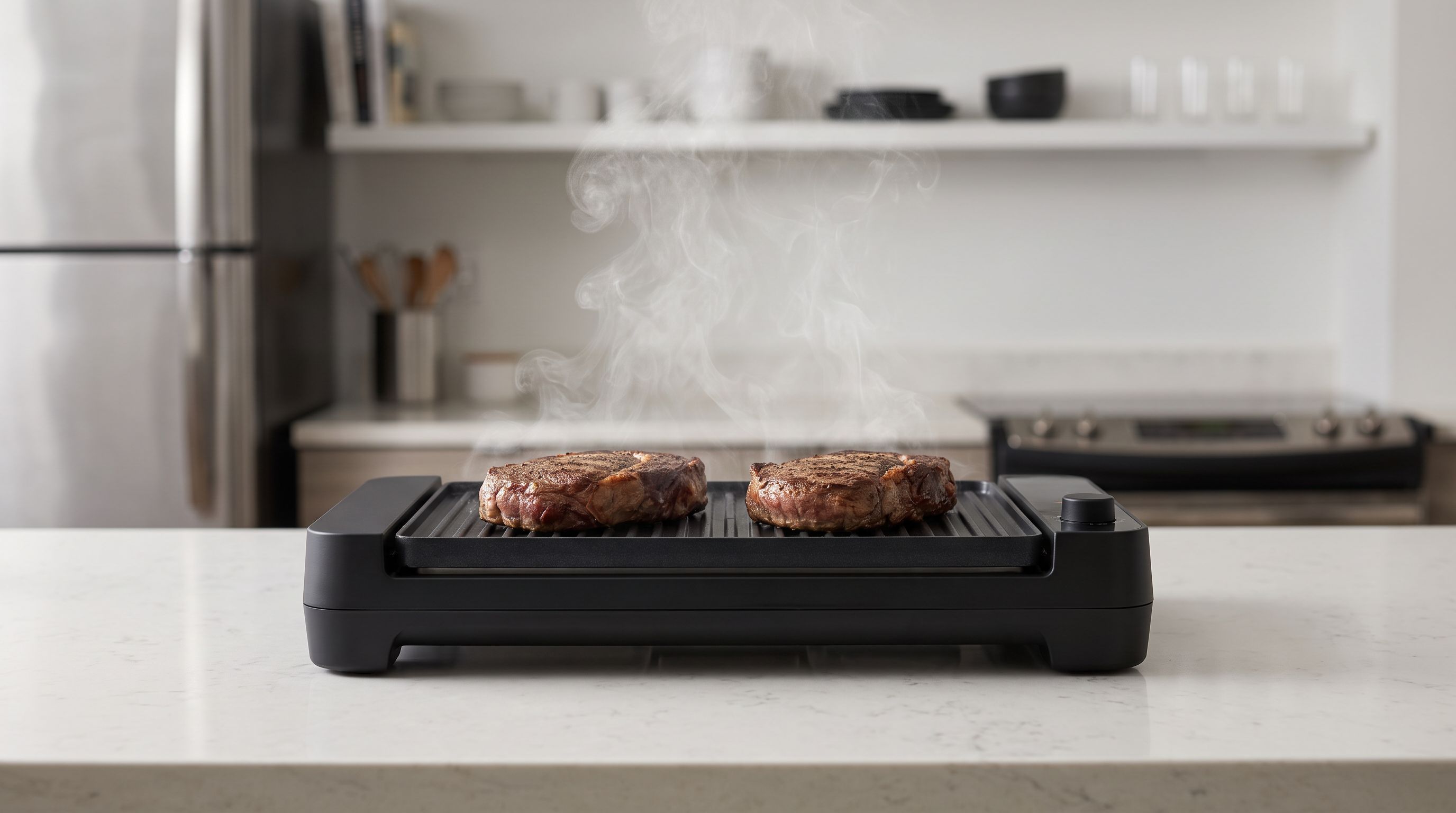
Smokeless Indoor Grills in 2026: Watts, Plates, Real Sear
Which smokeless indoor grill actually sears? We compare wattage, plate material, and smoke control from owner feedback to find the best indoor grill for apartments in 2026.