Pizza Oven Stone Replacement in 2026: Thickness Wins
A pizza oven stone replacement guide for 2026: how cordierite thickness drives heat recovery between pies, what fits portable oven decks, and four stones worth buying.
Reader-supported: we may earn a commission from links on this page, at no extra cost to you. It never affects our picks. Learn more.
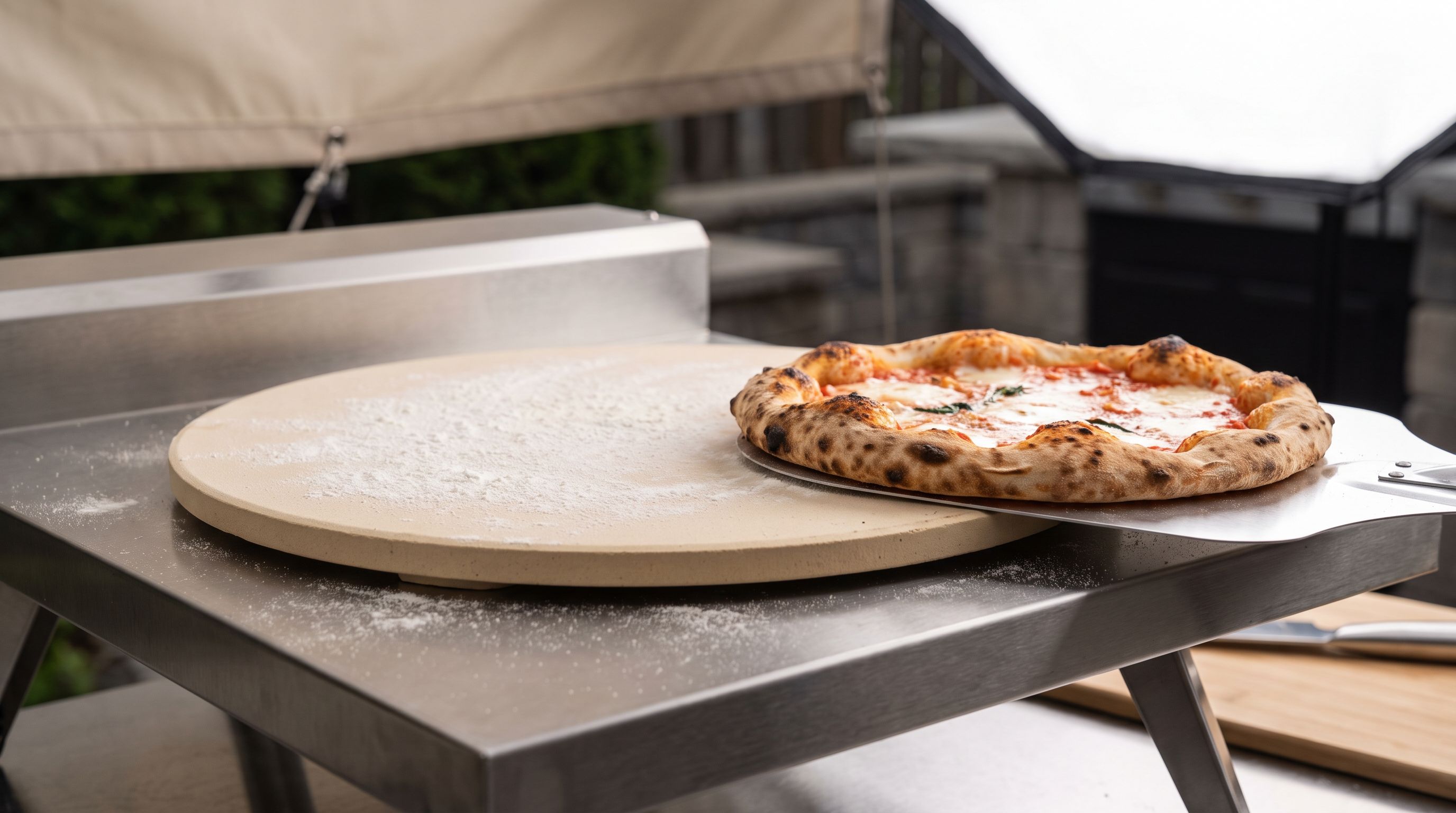
Cracked your stone? Join the club. A pizza oven stone is a consumable — it takes thermal shock, absorbs grease and dough sugar, and eventually splits down the middle at the worst possible moment (usually pie three of a dinner party). The good news is that a pizza oven stone replacement is one of the cheapest upgrades you can make, and if you choose thickness and material deliberately instead of just matching the diameter, the new stone can cook meaningfully better than the one that came in the box.
This guide covers the spec that actually matters — thickness, and the heat recovery it buys you — plus how to measure for popular portable oven decks without ending up with a stone that rattles or won't fit at all.
Why stones crack in the first place
Three causes account for nearly all failures:
- Thermal shock. Cold dough, a wet stone, or a stone stored outside in winter and then blasted to 800°F. Moisture trapped inside turns to steam and the stone fractures.
- Thin stock. Many stones bundled with budget ovens and nearly all "pizza crisper" trays are around 1/4 to 3/8 inch. They heat fast and fail fast.
- Mechanical stress. Dropping a peel edge, or supporting a heavy stone at two points instead of across its whole underside.
Cordierite is the standard material for a reason: it's a magnesium-iron-aluminium silicate ceramic with a very low coefficient of thermal expansion, which is exactly the property that resists cracking when one face is 900°F and the other is 400°F. Cheap "ceramic" or terracotta stones expand more and crack sooner.
Thickness and heat recovery: the actual tradeoff
Here's the physics in plain language. A stone stores heat proportional to its mass; it gives that heat back to the dough proportional to how fast the material conducts. Thin stones heat up quickly but dump their stored energy into the first pizza and then sit there cold. Thick stones take much longer to saturate — a 3/4-inch ceramic slab wants a long preheat, not ten minutes — but they hold a deep reservoir, so the second and third pies land on a deck that's still close to target temperature.
Rough guidance based on manufacturer specs and reviewer consensus:
- 1/4–3/8 inch: fine for one pizza a night in a home oven. Expect a noticeable drop by pie two and a real risk of cracking in a 900°F gas oven.
- 1/2 inch: the practical sweet spot for most portable ovens. Good recovery, manageable weight, widely available in 12, 13, and 16 inch rounds.
- 5/8–3/4 inch: best recovery of any ceramic. Heavy, slow to preheat, superb for back-to-back baking. This is the FibraMent-D Home Oven Baking Stone territory.
 Best overall · FibraMent-D Home Oven Baking Stone — Check price on Amazon →
Steel changes the equation entirely. Steel's thermal conductivity is roughly an order of magnitude higher than cordierite's, so even a thinner slab transfers energy to the crust faster and re-saturates from the burner faster. That's why a 3/8-inch NerdChef Steel Stone Baking Steel can out-recover a 1/2-inch ceramic stone. The catch: in a live-fire or high-output gas oven, steel can scorch the base before the top sets. Steel belongs in home ovens and in moderate-temperature decks; ceramic belongs anywhere you're running past about 750°F.
 Fastest recovery · NerdChef Steel Stone Baking Steel (0.375 in) — Check price on Amazon →
Comparison: what to buy for which deck
| Stone | Material | Typical thickness | Recovery between pies | Best for |
|---|---|---|---|---|
| FibraMent-D Home Oven Baking Stone | Proprietary ceramic composite | 3/4 in | Excellent (long preheat required) | Home ovens, bread, heavy weekend baking |
| Unicook Large Pizza Stone 15 inch Round | Cordierite | ~0.6 in | Good | General replacement, grills, moderate-heat ovens |
| NerdChef Steel Stone Baking Steel | Carbon steel | 3/8 in | Best-in-class | Home ovens up to ~550°F, fast back-to-back pies |
| Old Stone Oven Round Pizza Stone 16 in | Clay composite | ~0.6 in | Good | Large 16-inch oven floors and grills |
| Granitestone Piezano Replacement Pizza Stone | Cordierite | OEM spec | Matches original | Piezano owners who need an exact fit |
 Best value cordierite · Unicook Large Pizza Stone 15 inch Round — Check price on Amazon →
Measuring for a portable oven deck
Measure three things, in this order, before you buy anything.
1. Diameter or length/width. Measure the opening of the recess the stone sits in, not the old stone — a cracked stone may have shifted or chipped. Leave a few millimetres of clearance for expansion. Stones grow slightly at temperature, and a stone wedged tight against a steel lip is a stone that will crack.
2. Thickness. This is the measurement people skip, and it's the one that ruins the cook. A deck designed around a 1/2-inch stone that gets a 3/4-inch replacement sits closer to the flame — faster scorched bases, less headroom for a tall pie. A stone that's too thin sits low in the recess and leaves a lip the peel catches on.
3. Shape and corner radius. Several popular portable ovens use a round stone with a flat chord at the rear, or a rectangle with specific corner radii. Generic rounds won't seat.
If your oven uses an unusual profile — the Granitestone Piezano is the classic example, with a 12-inch stone sized to a sealed clamshell deck — buy the OEM part. The Granitestone Piezano Replacement Pizza Stone exists precisely because generic 12-inch rounds don't drop in cleanly, and the manufacturer is explicit that it's for the Piezano only, not a standard home oven.
For the more common 13-inch and 16-inch round decks found on gas-fired portable ovens, the Unicook Large Pizza Stone 15 inch Round and the Old Stone Oven Round Pizza Stone 16 inch cover most sizes, as long as you confirm the diameter against your recess.
 Best for big decks · Old Stone Oven Round Pizza Stone 16 inch — Check price on Amazon →
Preheat routine that protects a new stone
A new stone deserves a gentle first run. Bring it up with the oven rather than sliding a cold stone into a hot one. In a gas portable oven, run the burner at a low setting for 10 minutes before going to full output. In a home oven, 45–60 minutes at full temperature is realistic for a 3/4-inch slab like the FibraMent-D; 30 minutes is enough for a 3/8-inch steel.
Between pies, give the deck 2–4 minutes with the burner running and nothing on it. An infrared thermometer is the cheapest way to stop guessing — if the surface reads 100°F below your target, the crust will go pale and leathery no matter how good the dough is.
Never wash a stone with soap or submerge it. Scrape it, let it burn off residue on the next preheat, and store it dry and indoors. Discolouration is normal and permanent; it has no effect on cooking.
When a replacement isn't the answer
If your oven's stone cracks within a few bakes every time, the problem is probably the oven, not the stone — usually a burner that fires directly onto one spot of the deck's underside. A thicker cordierite stone will buy you time, but check whether the manufacturer offers a revised deck or a diffuser. And if you only make one pizza at a time in a home oven, you don't need to replace a working 3/8-inch stone with something heroic; a steel will improve your crust more than extra ceramic thickness will.
FAQ
Can I use a generic cordierite stone in a branded portable oven? Often yes, if the diameter, thickness, and shape match. The risk is fit, not material — cordierite is cordierite. Measure the recess, including depth, before ordering.
Is thicker always better? No. Thicker stores more heat but takes much longer to preheat and raises the deck closer to the flame in a compact oven. For most portable ovens, roughly 1/2 inch balances recovery against preheat time and clearance.
Steel or stone for a home oven? Steel, if you want fast recovery and dark, blistered bases at 500–550°F. Stone, if you also bake bread and prefer a slightly gentler, more even bake. Some people keep both on different racks.
How long should a pizza stone last? Years, with gentle preheats and dry storage. Hairline cracks are usually cosmetic; a stone that has broken into pieces or rocks on the deck should be replaced.
Does a cracked stone still work? A clean single crack usually keeps cooking fine as long as the pieces lie flat and flush. Replace it once the halves separate enough to catch a peel or let dough sag through.
Our picks
FibraMent® Premium 17-1/2" x 13-7/8" x 3/4" Rectangle Pizza Stone, Perfect for Home Ovens - Commercial Grade Delivering Superior Heat Retention and Even Cooking - Ranked 'BEST OVERALL PIZZA STONE'
A 3/4-inch ceramic slab with huge thermal mass — the gold standard for oven and deck replacement.
Unicook 15" Round Pizza Stone for Oven and Grill, Cordierite Baking Stone
Thermal-shock-resistant cordierite in common round sizes, with a scraper included.
NerdChef Steel Stone - High Performance Pizza Baking | Made in USA (14.5" x 16") - (.375" Thick - Pro)
Steel conducts far faster than ceramic, so back-to-back pies brown without a long reheat.
Old Stone Round Pizza Stone, 16-Inch
Heavy clay-composite round that fills 16-inch oven floors and shrugs off repeated high heat.
Granitestone Piezano Replacement Pizza Stone 12 inch
The correct 12-inch OEM stone for Piezano ovens — don't guess at dimensions on a sealed deck.
Get the best kitchen gear deals in your inbox
Join the PrepDeck newsletter for hand-picked kitchen gear deals and new buying guides. No spam, unsubscribe anytime.
Related reads
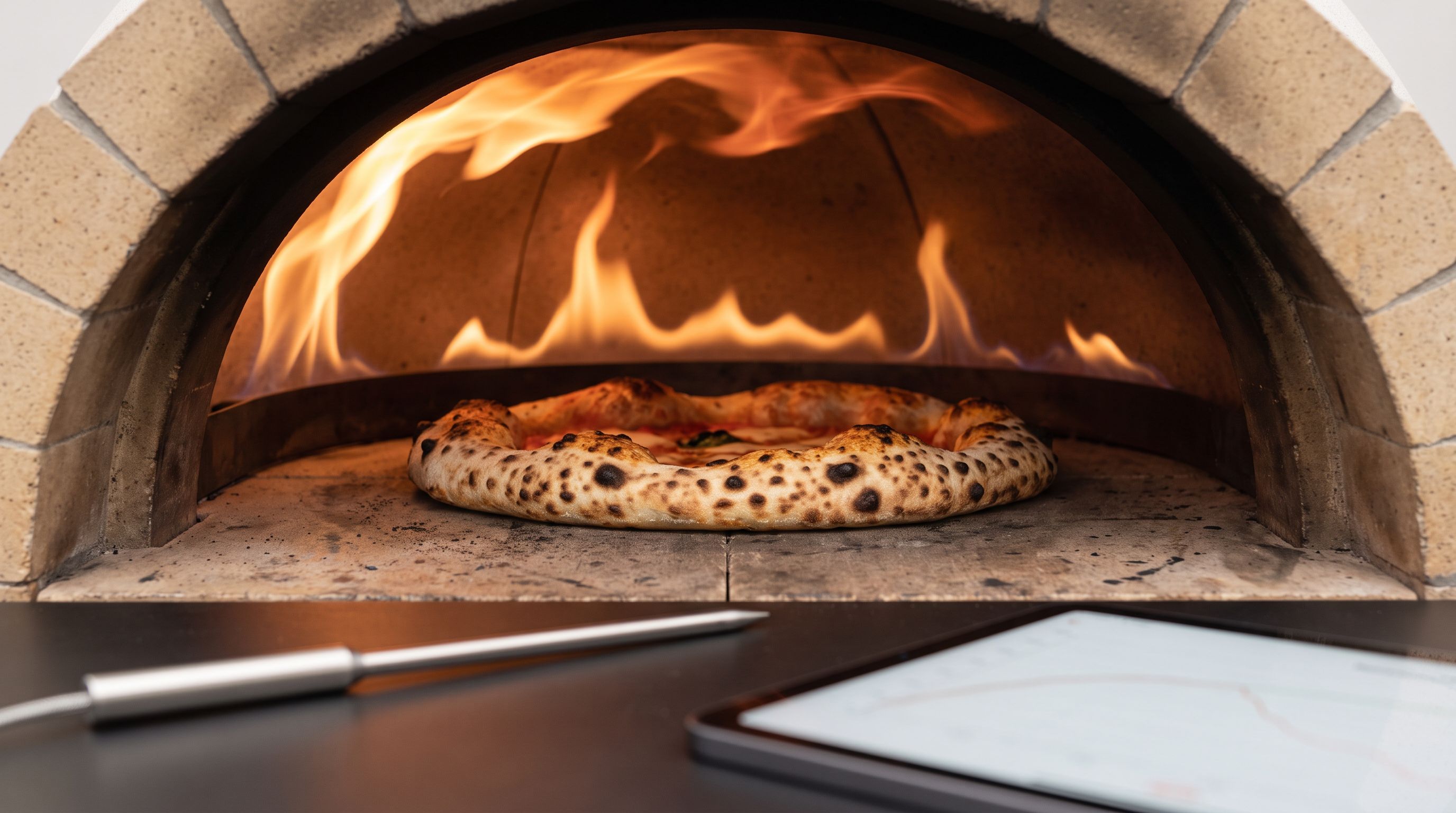
Pizza Oven Temperature, Explained: Why 900°F Matters
What actually changes between 700°F and 950°F in a pizza oven, why Neapolitan dough needs the top end, and which fuel — gas, wood or pellets — reliably gets there.
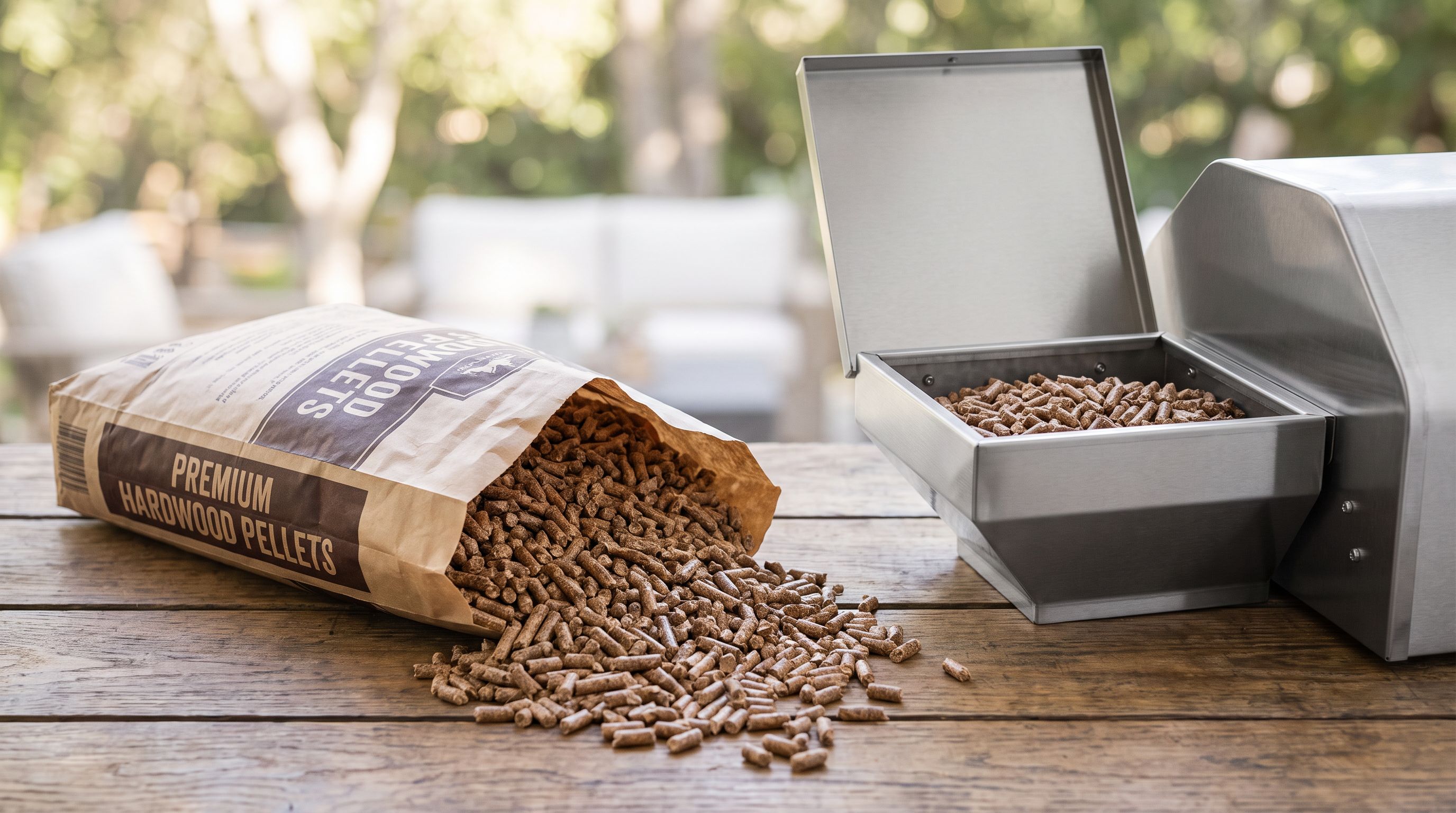
Pellet Grill Pellets in 2026: Match Wood to Your Auger
The best wood pellets for pellet grills in 2026, sorted by hardwood species, ash content and burn rate — so you match fuel to your auger, hopper and cook style.
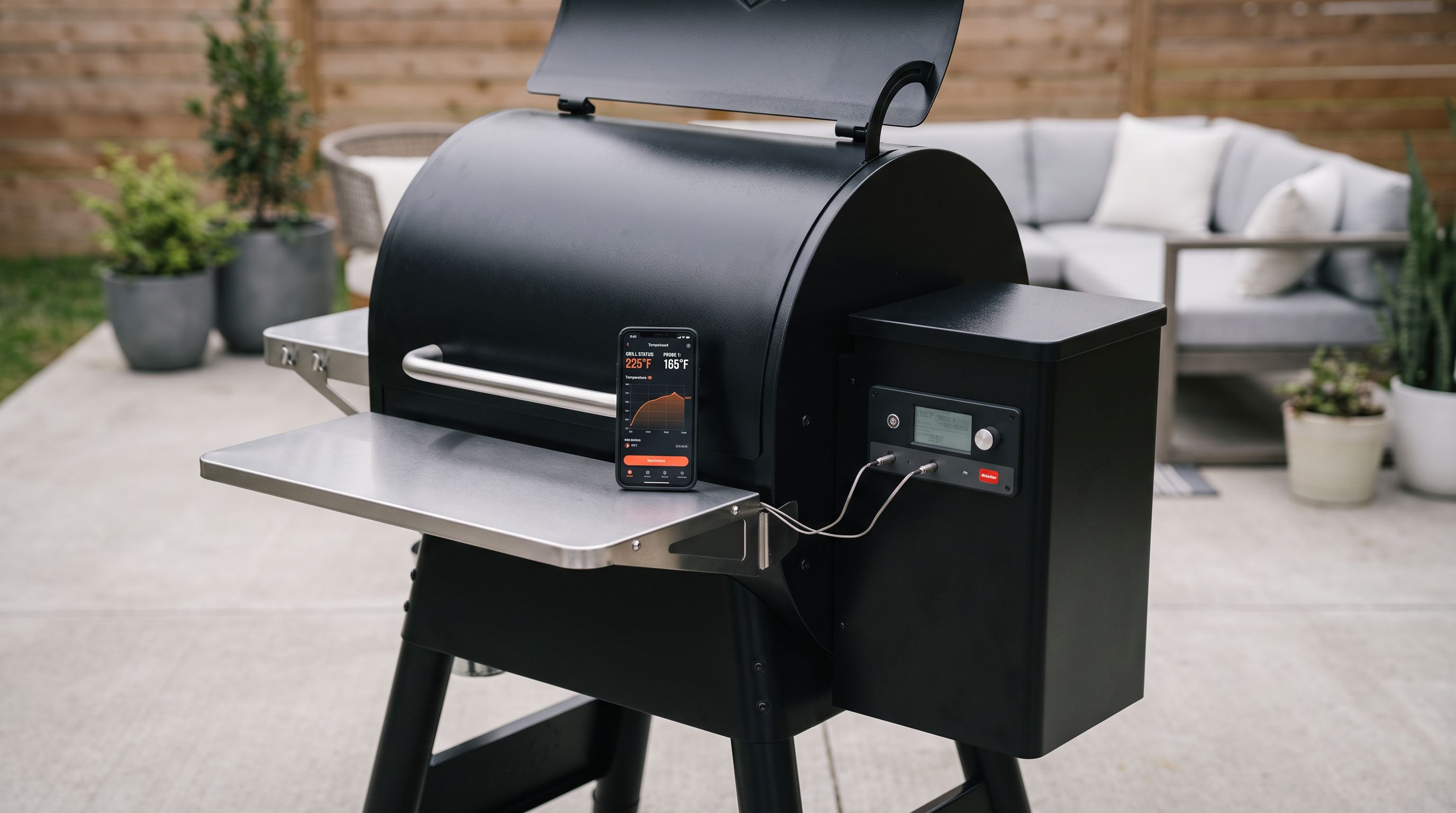
Smart Pellet Grill Wi-Fi in 2026: Which App Still Works?
A smart pellet grill Wi-Fi comparison for 2026: controller precision, probe ports, and which brands have actually kept firmware and apps alive for years.