Dishwasher-Safe Plastic Containers, Explained (2026)
Polypropylene, Tritan, silicone gaskets: what actually survives a dishwasher, what warps first, and why lids fail before the containers ever do.
Reader-supported: we may earn a commission from links on this page, at no extra cost to you. It never affects our picks. Learn more.
The container didn't fail. The lid did.
Open the cabinet where you keep food storage and you'll find the same archaeology in almost every kitchen: a stack of perfectly good plastic tubs, and a drawer of lids that no longer match any of them. That asymmetry is the whole story. Plastic food containers almost never fail in the way people expect — the bodies rarely crack. What fails is the sealing geometry: a lid that has gone slightly out of round, a gasket that has stiffened, a latch hinge that has lost its spring.
And the dishwasher is where most of that damage happens. Not because detergent "eats" plastic, but because a dishwasher is a sustained hot, alkaline, wet environment that every polymer responds to differently. Understanding which plastic you own — and which part of the set is the consumable — is far more useful than reading "dishwasher safe" on a box.
What's actually happening in the dishwasher
Two things are going on at once, and they affect different materials.
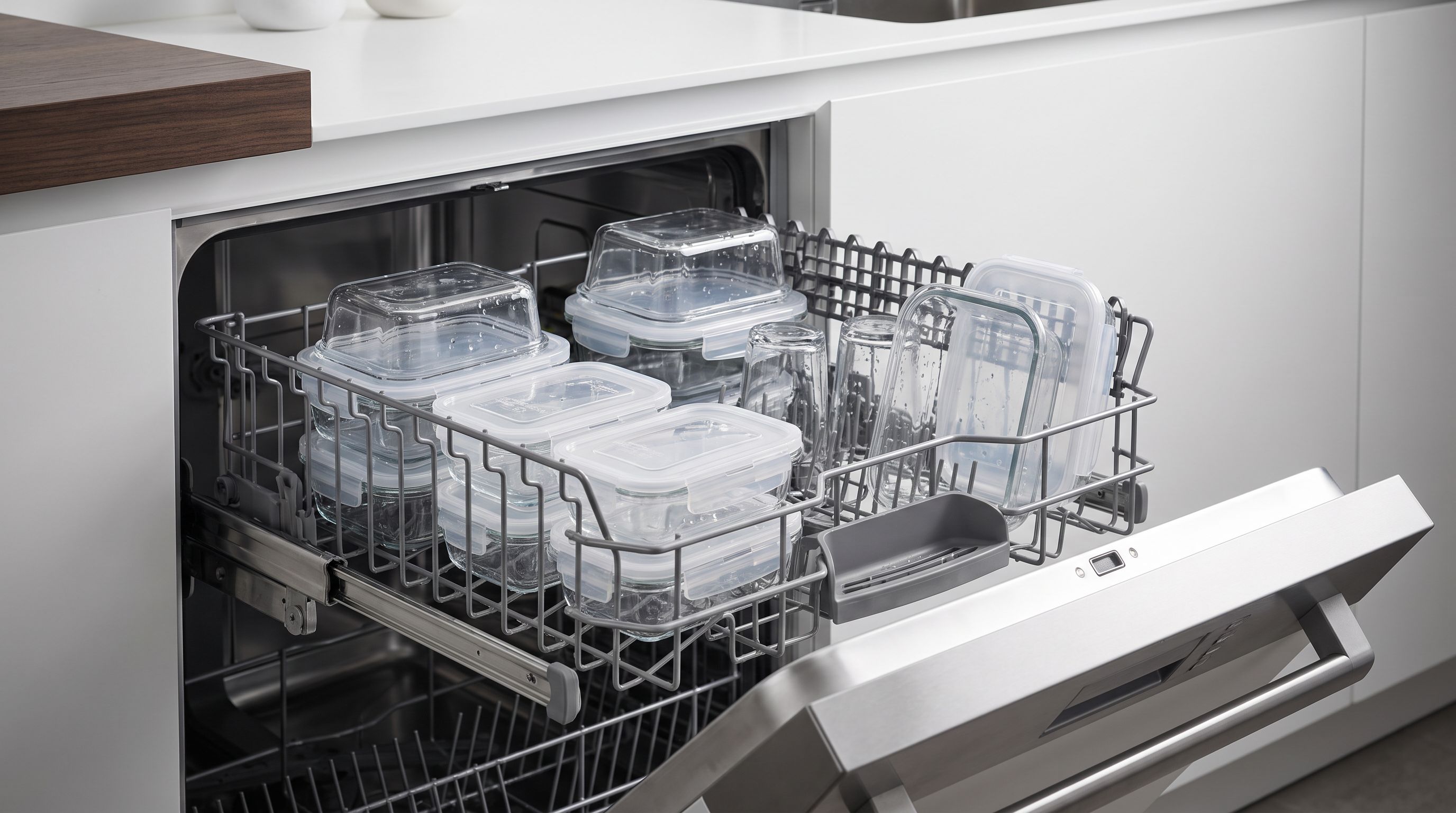
The first is heat distortion. Every thermoplastic has a temperature above which it softens and loses shape memory. Polypropylene (PP), the workhorse of cheap food storage, handles boiling-adjacent temperatures reasonably well, which is why it dominates microwave-safe tubs. But the issue in a dishwasher isn't just peak temperature — it's heat plus the thin, unsupported geometry of a lid. A 4mm container wall shrugs off a heated dry cycle. A 1mm lid rim with a snap profile molded into it does not. That's why the common advice to keep plastics on the top rack is sound: the bottom rack sits closer to the heating element and sees the hottest, driest air. Advice round-ups and manufacturer guidance consistently converge on the same instruction — top rack, dishwasher safe, and you'll get many cycles out of it.
The second is chemical and surface aging. Dishwasher detergents are strongly alkaline, far more so than hand dish soap, and repeated exposure gradually dulls and micro-roughens plastic surfaces. Once the surface is roughened, tomato sauce and turmeric have somewhere to sit. That's the mechanism behind the orange tub phenomenon: staining isn't dirt, it's pigment lodged in a surface that is no longer smooth. Glass doesn't do this, which is why forum consensus and editorial recommendations both keep circling back to glass bodies with plastic lids as the compromise.
There's also a newer wrinkle worth stating carefully. Research has looked at microplastic shedding from plastic containers during dishwashing; one widely cited study measured polypropylene lunch boxes releasing roughly 14 particles per wash cycle. That's a real measurement, not a scare statistic, but it also isn't a verdict on safety — the research base is young and the health significance is still being worked out. What it does tell you, concretely, is that dishwashing is a mildly abrasive process at the surface level. Visible dulling and invisible shedding are the same phenomenon viewed at different scales.
The real players, and what they're actually made of
The materials map is simpler than the marketing suggests.
| Material | Where you see it | Dishwasher behavior | First thing to fail |
|---|---|---|---|
| Polypropylene (PP, #5) | Most budget tubs, deli containers, Rubbermaid EasyFindLids-type sets | Good heat tolerance; top rack strongly advised | Lid warping, surface dulling, staining |
| Tritan copolyester | Rubbermaid Brilliance, premium clear sets | Stays clear and stain-resistant longer than PP | Latch hinges and gasket, not the body |
| HDPE (#2) | Heavier-duty storage, some lids | Durable, opaque, less stain-prone | Rarely fails; cosmetic scuffing |
| Silicone gasket | Lid seals on Brilliance, OXO Smart Seal | Tolerates heat well, but traps water and food | Gasket mold if not removed/dried |
| Tempered glass | Pyrex Simply Store and similar | Effectively immune to staining and warping | Thermal shock, chipped rims; lid is the wear item |
Rubbermaid Brilliance is the set that current round-ups keep naming as the plastic benchmark — it's built around Tritan rather than commodity polypropylene, which is the main reason it resists clouding and sauce stains better than a bargain tub. Reviews and manufacturer guidance still specify top-rack placement, which is the tell: material upgrade, same physics. Rubbermaid EasyFindLids sits at the other end — honest polypropylene with snap lids, cheap enough that a warped lid is an annoyance rather than a loss, and a set that comparison videos regularly include precisely because it's the default many households already own.
OXO Good Grips Smart Seal is interesting for a different reason: it's designed around the gasket. A seal you can get at, clean, and dry is a seal that doesn't quietly grow mold in a groove you never see. That's a design response to the actual failure mode rather than a spec-sheet claim.
 Gasket-first design · OXO Good Grips Smart Seal Container Set — Check price on Amazon →
And then there's the position a lot of experienced cooks land on: skip the problem. Pyrex Simply Store uses tempered glass bodies, so staining, warping and odor retention are off the table entirely. The lid is still plastic and still the consumable — but it's one replaceable part instead of a whole set.
What this means if you're shopping today
Reframe the purchase. You are not buying containers; you are buying a sealing system with a service life, plus bodies that will probably outlive it.
A few practical consequences:
- Check whether the lid is rated separately. Several 2026 round-ups note that containers are dishwasher-safe while the lids may not be, or may be top-rack only. That distinction is the single most useful line on the packaging.
- Prefer sets whose lids you can buy again. Rubbermaid's widely stocked lines have an advantage here that has nothing to do with polymer chemistry: replacement parts exist.
- If you reheat in the container, that's a separate rating. Microwave-safe and dishwasher-safe are different thermal problems. Repeated microwave heating of oily food is harder on plastic than a wash cycle is.
- Treat gaskets as removable and dryable. Latching lids with silicone seals are the leak-proof option, but a wet gasket groove left closed in a cabinet is how a "clean" container starts smelling.
- Accept staining as cosmetic. A dulled, faintly orange polypropylene tub is aged, not unsafe. Replace it when the lid stops sealing, not when it stops looking new.
What to watch next
Three threads are worth following. First, microplastic research on food contact articles is expanding fast, and it's plausible that labeling or guidance evolves — but as of now nothing on the market is sold on a "low-shedding" claim, and treating that as a buying criterion would be getting ahead of the evidence. Second, stainless steel storage keeps gaining shelf space; current round-ups now routinely include steel options, and steel neatly sidesteps staining and warping at the cost of microwave compatibility and visibility of contents. Third, watch gasket design specifically — removable, replaceable seals are the clearest signal that a brand has thought about year three rather than week one.
None of this changes the near-term answer. Polypropylene and Tritan both survive dishwashers for years if you keep them on the top rack. The lid is the part with a clock on it. Buy accordingly.
FAQ
Is "dishwasher safe" a regulated claim? No. It's a manufacturer statement, and it frequently comes with conditions — most commonly top-rack only. Read the condition, not the headline.
Why do my lids warp but my containers don't? Thin, unsupported, precision-molded geometry. Lid rims are the thinnest part of the set and carry the sealing profile, so a small amount of heat distortion has an outsized effect on fit.
Does Tritan actually resist staining better than polypropylene? Based on how sets like Rubbermaid Brilliance are reviewed and marketed, it holds clarity and resists sauce staining better than commodity PP. It is not stain-proof, and it still gets the top-rack instruction.
Should I switch to glass entirely? Glass solves staining, odor and warping, which is why it's the default recommendation in a lot of enthusiast discussion. It's heavier, breakable, and the lid is still plastic — so it reduces the problem rather than eliminating it.
Is microplastic shedding a reason to stop using plastic containers? The measured figures from dishwashing studies are small and the health interpretation is still unsettled. Treat it as one input, not a verdict — and if it concerns you, glass or stainless bodies are the straightforward hedge.
Our picks

Rubbermaid Brilliance Glass Food Storage Containers, Assorted Sizes, Set of 9, BPA-Free, Leak-Proof, Clear
Tritan bodies with a latching, gasketed lid — the set most round-ups keep naming as the plastic benchmark.
Rubbermaid Brilliance Glass Food Storage Containers, Assorted Sizes, Set of 9, BPA-Free, Leak-Proof, Clear
Basic PP bodies and snap lids — low stakes, easy to replace when a lid finally warps.

Pyrex Simply Store (9-Pack) Mixed Sized Glass Food Storage Set
Tempered glass bodies sidestep staining and warping entirely; only the plastic lid is a wear item.
OXO Good Grips Smart Seal 30-Piece Food Storage Container Set - Arctic Blue
Leak-resistant lids with a removable-style seal approach, built around the part that usually fails first.
Get the best kitchen gear deals in your inbox
Join the PrepDeck newsletter for hand-picked kitchen gear deals and new buying guides. No spam, unsubscribe anytime.
Related reads
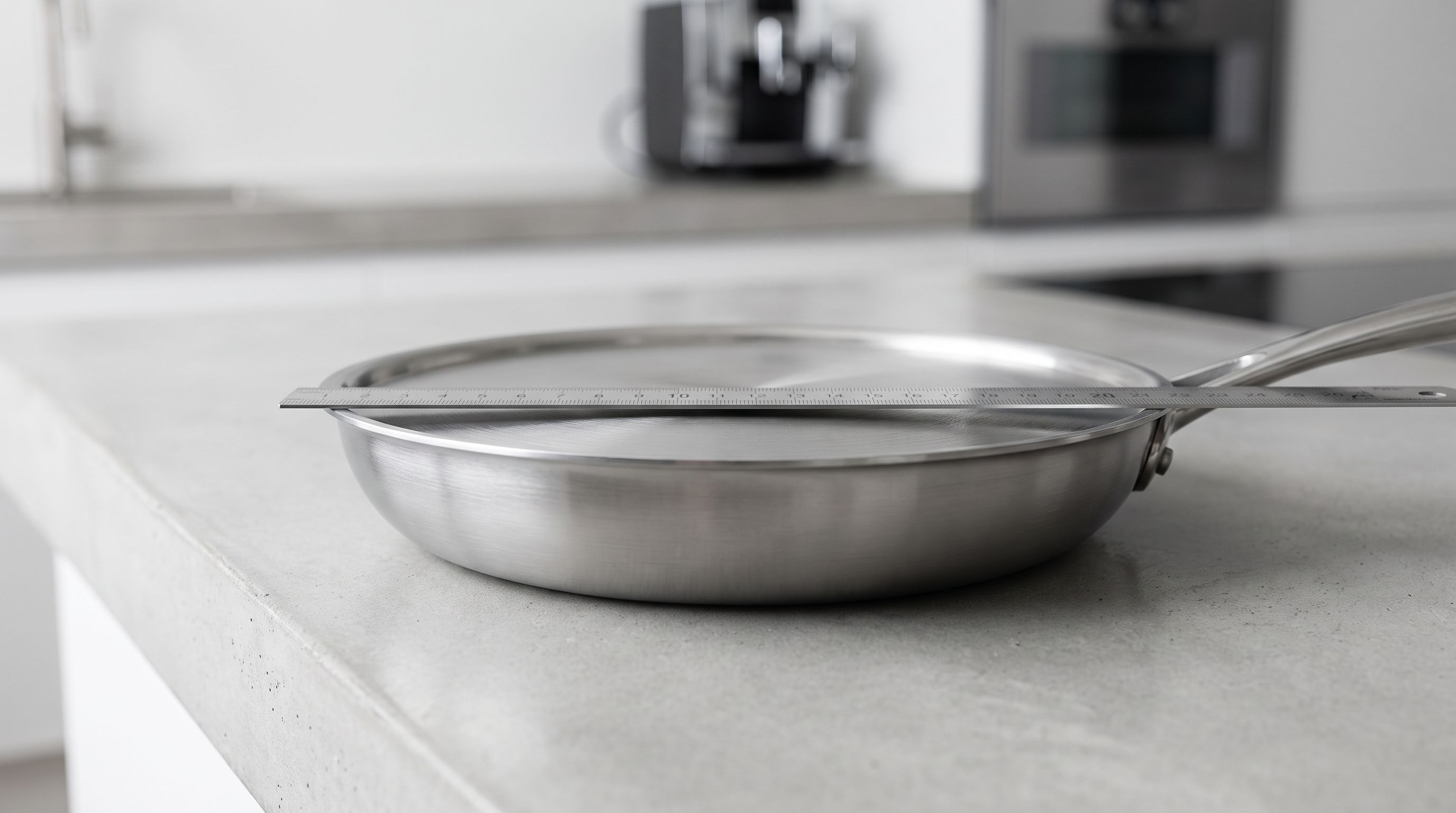
Pan Warping, Explained: Gauge, Cladding, and Flatness
Why cheap pans warp on induction and glass tops in 2026 — how gauge, cladding, and disc bases behave, plus how to spot a pan that won't stay flat.
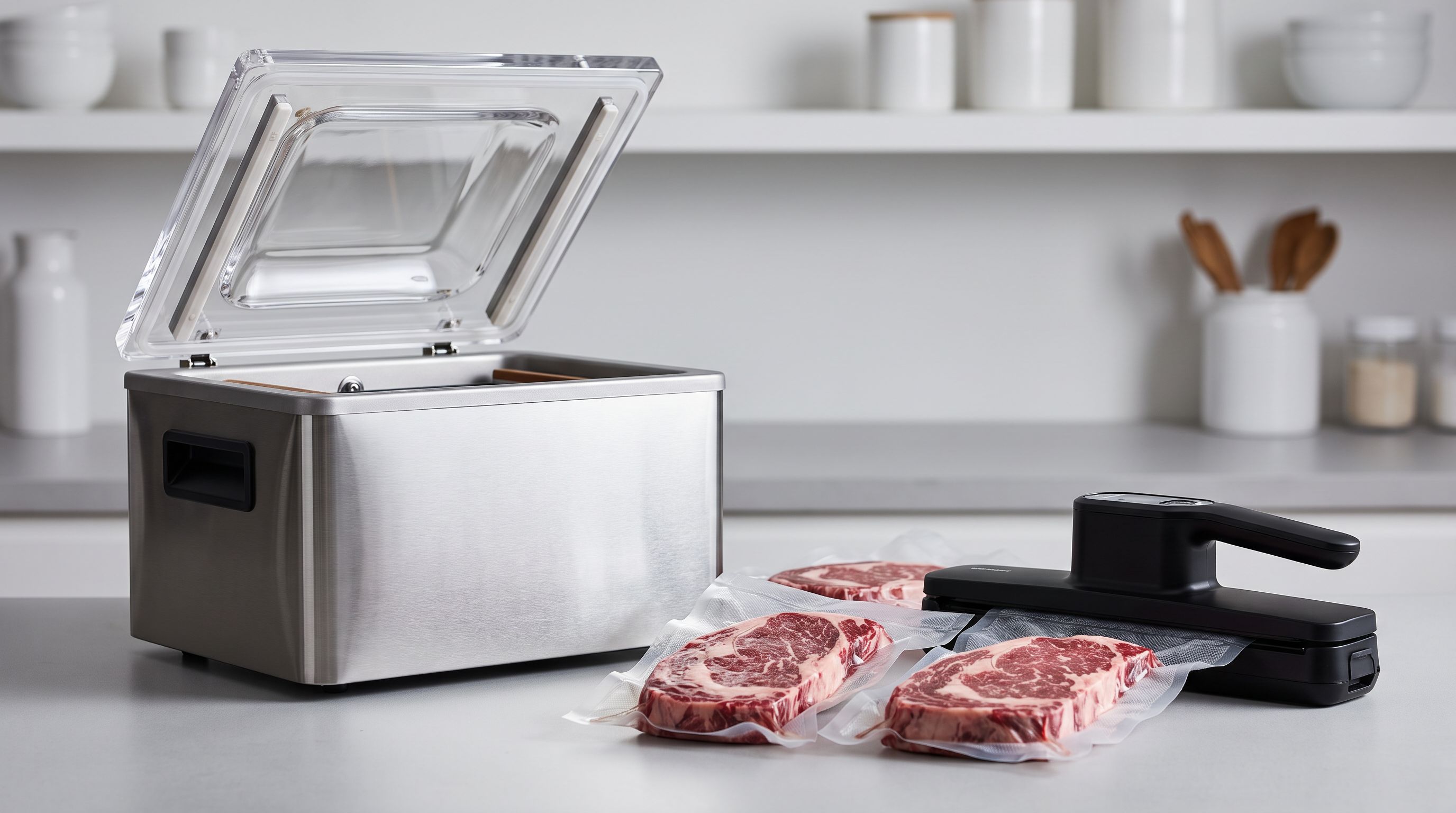
Chamber Vacuum Sealer vs Suction in 2026: Who Actually Needs One?
Chamber vacuum sealer vs suction in 2026: we compare bag cost, liquid handling, counter space and real payback math for home cooks who buy meat in bulk.
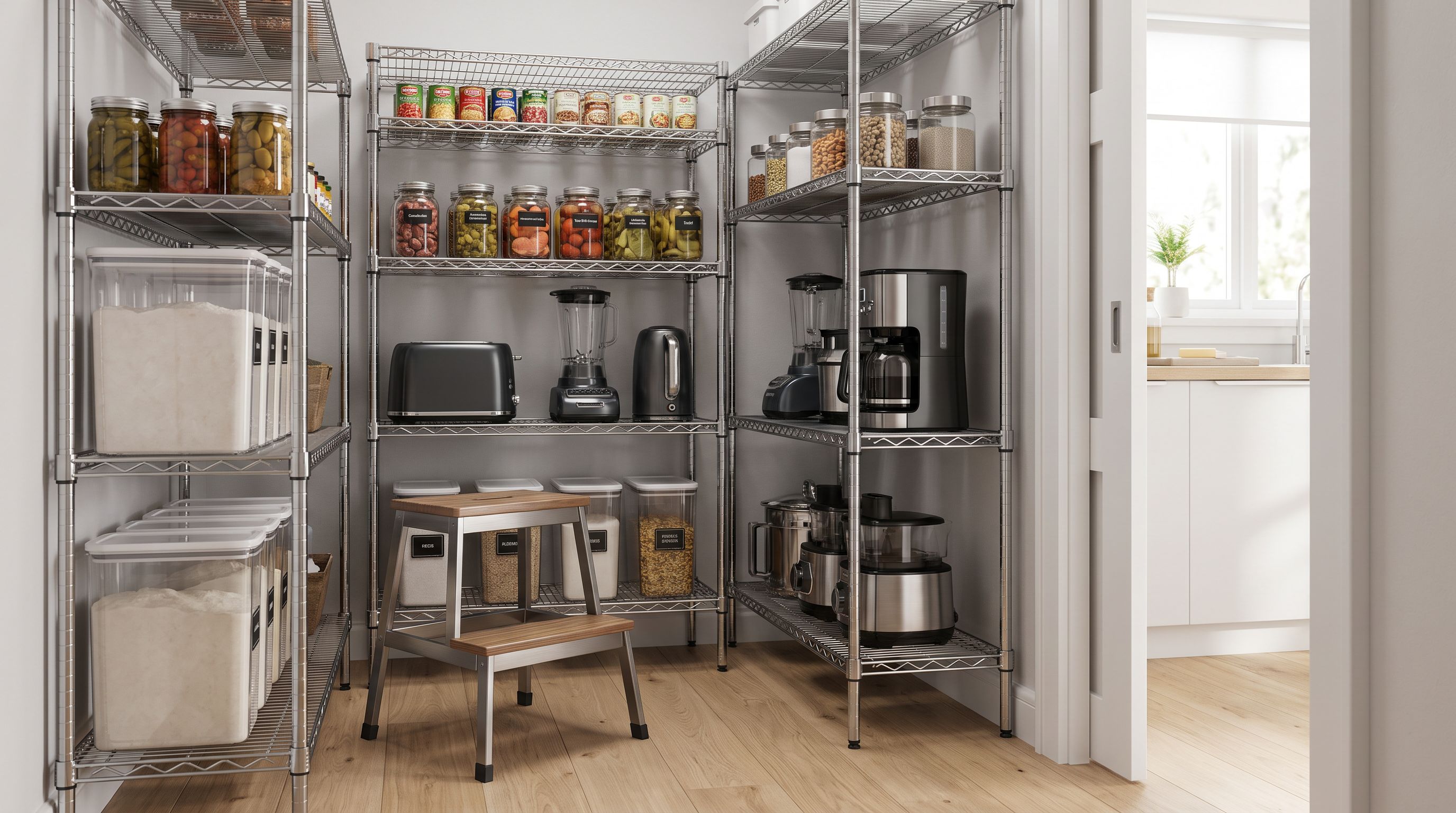
Pantry Shelving Units in 2026: Buy by Weight Per Shelf
A pantry shelving unit buying guide for 2026: real per-shelf load ratings, 14 vs 18 vs 24 in depths, door clearance, and which wire, solid or modular systems hold up.