Copper Cookware in 2026: Which Lining Is Worth It?
A copper cookware buying guide for 2026: tin vs stainless linings, why 2.5mm gauge matters, retinning costs over a decade, and which pans earn the premium.
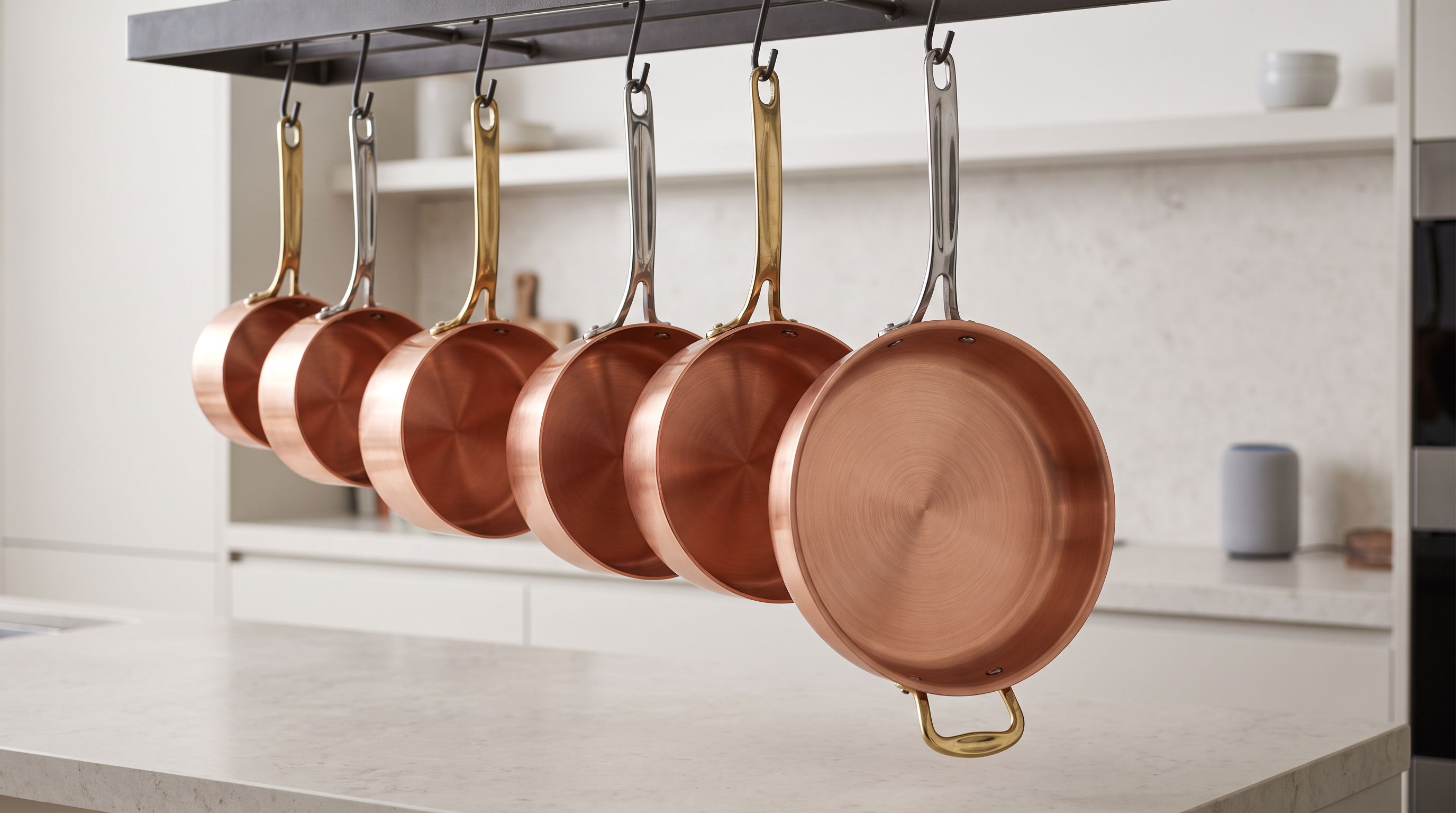
Reader-supported: we may earn a commission from links on this page, at no extra cost to you. It never affects our picks. Learn more.
Copper is the most misunderstood material in a home kitchen. It is sold as decor, priced like jewelry, and bought by people who then use it twice a year. But a heavy copper saucepan does something no other pan does: it reacts to a burner adjustment almost instantly and spreads that heat evenly to the rim. That matters for a narrow but real set of tasks — sauces, custards, sugar work, delicate proteins — and matters very little for boiling pasta.
This copper cookware buying guide covers the three things that actually determine whether you'll be happy in ten years: the lining, the gauge, and the lifetime cost of upkeep.
Lining: tin vs stainless
Copper reacts with acidic food, so nearly every cooking surface is lined. The choice between tin and stainless steel is the single biggest decision you'll make.
Tin is the traditional lining. It's soft, slightly nonstick when seasoned by use, and it conducts heat well enough not to blunt copper's advantage. Its weaknesses are real: tin melts around 450°F (232°C), so an empty pan left on a hot burner can pool or blister the lining. Metal utensils scratch it. And tin wears — a hard-used tin pan typically needs retinning every several years to a decade depending on how you cook.
Stainless steel linings are bonded or rolled on and are effectively permanent. You can sear hard, use tongs, scrub with Bar Keepers Friend, and never think about it again. The trade-off is a thin layer of a poor conductor on the cooking face, which slightly dulls responsiveness, and a surface that sticks more than seasoned tin at low heat.
For most people buying copper in 2026, stainless-lined is the correct answer. Tin makes sense if you're buying vintage French copper, you cook a lot of delicate sauces, and you accept retinning as part of ownership.
What about unlined copper?
Unlined copper exists for exactly two jobs: jam and whipped egg whites. The copper ions help pectin set and stabilize egg foam. A piece like the Mauviel M'Passion Copper Jam Pan is unlined by design and is one of the few copper items that is objectively better than the alternatives at its task. Don't cook anything acidic in it beyond sugar preserves.
 Best specialty piece · Mauviel M'Passion Copper Jam Pan — Check price on Amazon →
Gauge: why 2.5mm is the line
Thickness is where marketing goes quiet. Copper's benefit scales directly with mass — thin copper is a decorative shell over nothing.
- Under 1mm: Decorative. Common on inexpensive "copper" sets, often copper-plated steel or aluminum with a copper-tone exterior. Skip it.
- 1.5–2.0mm: Entry-level real copper. Heats fast, warps more readily, and loses copper's even-heating edge.
- 2.5mm: The professional standard. Heavy-gauge copper in the 1/16- to 1/8-inch range (roughly 1.6–3.2mm) is what buying guides mean by "longest wear," and 2.5mm sits in the sweet spot of performance and handling weight.
- 3.0mm+: Specialist territory. Superb stability, genuinely heavy — a 3mm 11-inch sauté pan full of food is a two-hand lift.
Mauviel's M'Heritage M250C line and Matfer Bourgeat's professional copper are both 2.5mm, which is why they show up in nearly every serious comparison. If a listing doesn't state thickness in millimeters, assume it's thin.
Handles, induction and the practical stuff
Cast-iron handles (Mauviel M'Heritage M250C) stay cool longest and are oven-safe to high temperatures. Bronze handles (Mauviel M'250B) look spectacular and get hot faster. Stainless handles are the lightest and most neutral.
Copper is not induction compatible. Copper and tin are non-ferrous. If you cook on induction, your options are an interface disk model, a separate induction plate, or skipping solid copper for a clad pan like the All-Clad Copper Core 10-Piece Cookware Set, which hides a copper layer between stainless and aluminum and works on every hob.
Also: solid copper is hand-wash only, it tarnishes, and keeping the exterior bright is an ongoing chore. If you want a pan that looks like the showroom photo forever, buy stainless.
Comparison: what you're actually choosing between
| Option | Typical gauge | Lining | Induction | Upkeep | Best for |
|---|---|---|---|---|---|
| Mauviel M'Heritage M250C Sauté Pan | 2.5mm | Stainless | No | Polish exterior; hand wash | The one copper pan most people should own |
| Mauviel M'250B Saucepan (bronze handle) | 2.5mm | Stainless | No | Hand wash; handle gets hot | Sauces, reductions, custards |
| Matfer Bourgeat Copper Saucepan 2.5mm | 2.5mm | Stainless | No | Hand wash; utilitarian finish | Pro performance, less styling tax |
| All-Clad Copper Core Set | Clad layer | Stainless | Yes | Dishwasher-safe | Induction kitchens, zero maintenance |
| Mauviel M'Passion Jam Pan | Heavy | Unlined | No | Polish; sugar work only | Preserves, meringue |
The real cost over ten years
Here's where tin-lined copper surprises people. The purchase price is only the entry fee.
Retinning is a specialist craft, and in the US a handful of shops handle most of the volume. Cost is generally quoted by pan diameter, and you also pay shipping both ways for a heavy metal object — that round trip is a meaningful share of the bill. A tin-lined pan used hard in a home kitchen will realistically want retinning once or twice in a decade; a lightly used one may go longer. Budget accordingly before you buy, and get a current quote from a retinner rather than assuming.
Stainless-lined copper has none of that. Its ten-year cost is the purchase price plus a tube of copper polish. That's the honest case for buying stainless-lined new rather than chasing vintage tin.
Vintage copper can be a genuine bargain — thick French pans from the mid-20th century turn up at estate sales — but price in retinning from day one, and check thickness at the rim before you commit.
Which pieces earn the premium
Buy copper by the piece, not the set. Sets pad the price with items where copper does nothing for you.
Worth it:
- Saucepan, 1.5–3 quarts. The best copper purchase there is. Hollandaise, pastry cream, caramel, reductions — all failure modes that come from uneven or laggy heat.
- Sauté pan, 3–4 quarts. Wide, flat, great for pan sauces where you sear then deglaze in the same vessel.
- Jam pan. If you preserve, this is a tool, not an ornament.
Not worth it:
- Stockpots. You're paying for conductivity to boil water. Buy stainless.
- Skillets for high-heat searing. Cast iron and carbon steel hold heat better at a fraction of the cost, and extreme heat is where tin linings die.
- Full 10-piece copper sets. You'll use three pieces.
If you want copper performance without any of the compromises, the All-Clad Copper Core set is the pragmatic answer: induction-ready, dishwasher-safe, no retinning, and most of the responsiveness. If you want the real thing, start with one 2.5mm saucepan — Mauviel M'250B or the Matfer Bourgeat — cook with it for six months, and then decide whether you want more.
FAQ
Is tin-lined copper safe? Yes. Food-grade tin is stable and has been used for centuries. The caution is heat: don't leave a tin-lined pan empty over a high flame, since tin melts well below the temperatures a dry pan can reach.
How do I know when tin needs replacing? Copper showing through the lining in more than a small spot, or widespread pitting and thinning, means it's time. A few darkened patches or minor wear marks are normal and not urgent.
Can I use copper cookware on induction? Not solid copper. You'd need a pan with a bonded ferrous disk, an induction interface plate, or a clad design such as All-Clad Copper Core.
Does copper cookware need to be polished? Only cosmetically. Tarnish doesn't affect cooking performance at all — professional kitchens run brown pans. Polish if you like the look.
Is a copper cookware set ever a good buy? Rarely. Most cooks use a saucepan and a sauté pan and leave the rest hanging. Buying two excellent 2.5mm pieces beats owning ten mediocre ones.
Our picks
Mauviel M'Heritage M250C 3.2-Quart Sauté Pan
2.5mm French copper with stainless lining and cast-iron handle — the benchmark for everyday copper.
Mauviel M'250B 1.9-Quart Copper Saucepan with Bronze Handle
A 2.5mm saucepan is where copper's responsiveness actually pays off daily — sauces, custards, caramel.
Matfer Bourgeat Copper Saucepan 2.5mm
Restaurant-grade 2.5mm copper, stainless-lined, with less decorative finish and a lower entry price.

All-Clad Copper Core® 10 Piece Stainless Steel Cookware Set, Made in USA
Copper sandwiched in stainless: most of the responsiveness, dishwasher-friendly, no retinning ever.
Mauviel M'Passion 1.2mm Hammered Copper Jam Pan With Brass Handles, 17.3-qt, Made In France
Unlined copper jam pan — the one copper piece that genuinely outperforms everything else at its job.
Get the best kitchen gear deals in your inbox
Join the PrepDeck newsletter for hand-picked kitchen gear deals and new buying guides. No spam, unsubscribe anytime.
Related reads
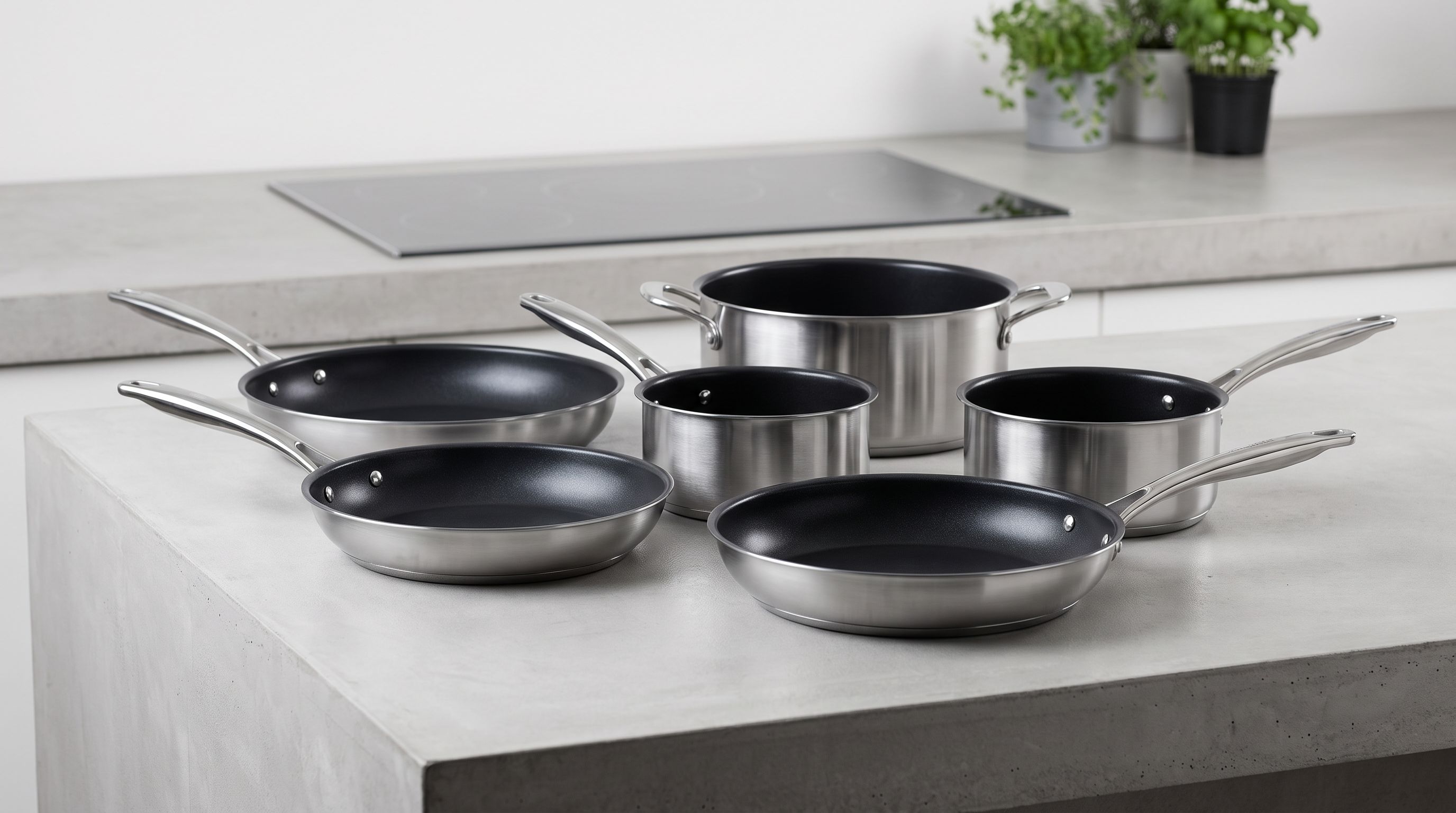
Cookware Sets Under $500 in 2026: The Piece-Count Math
The best cookware set under 500 in 2026, judged by usable pans — not padded lid counts. Cladding, oven limits, and induction compatibility compared.
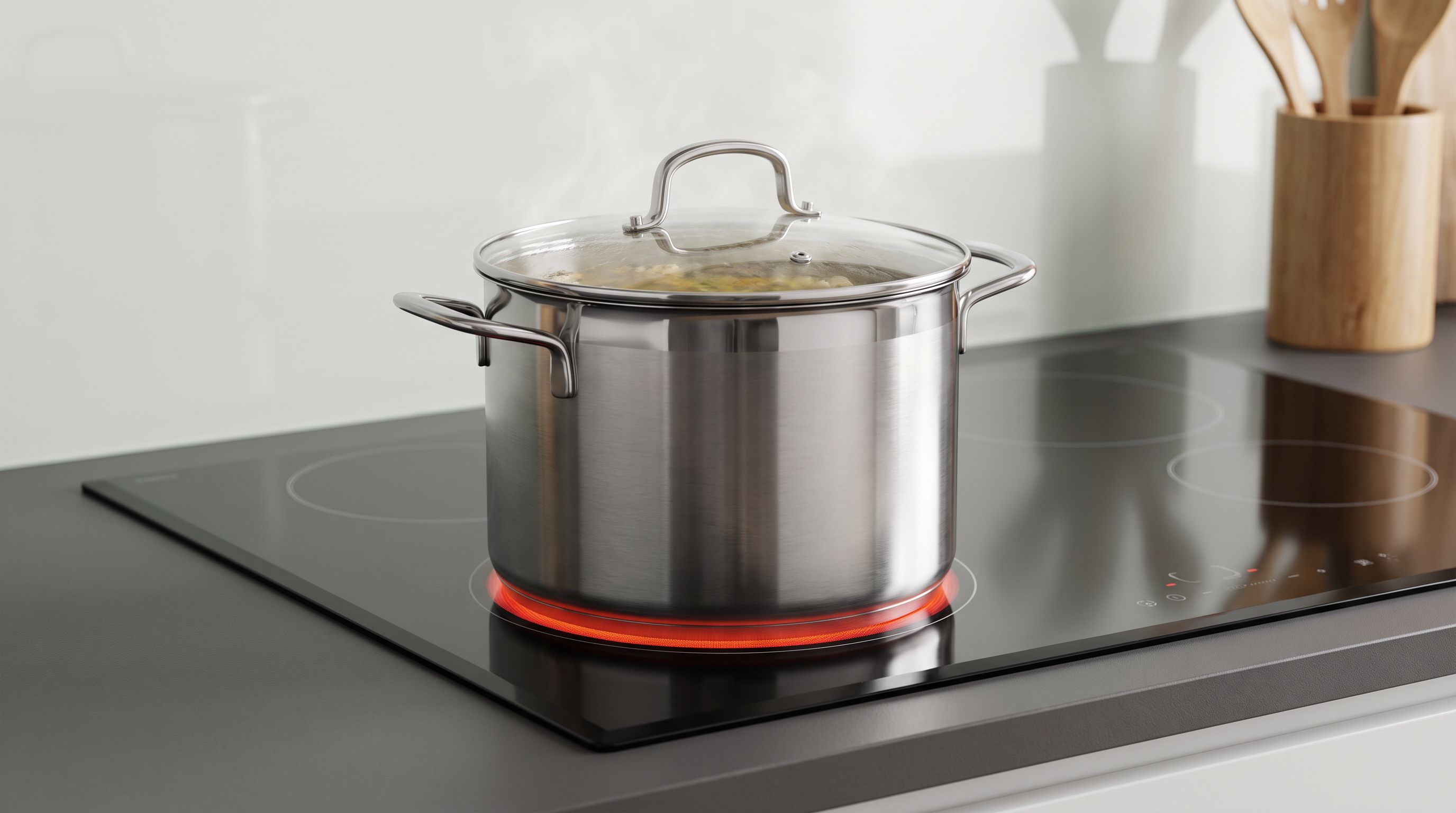
Stockpot Buying Guide 2026: Base Diameter Beats Quarts
The best stockpot in 2026 isn't about quarts — it's about base diameter matching your burner. Picks for stock, pasta and canning from 8 to 20 qt.
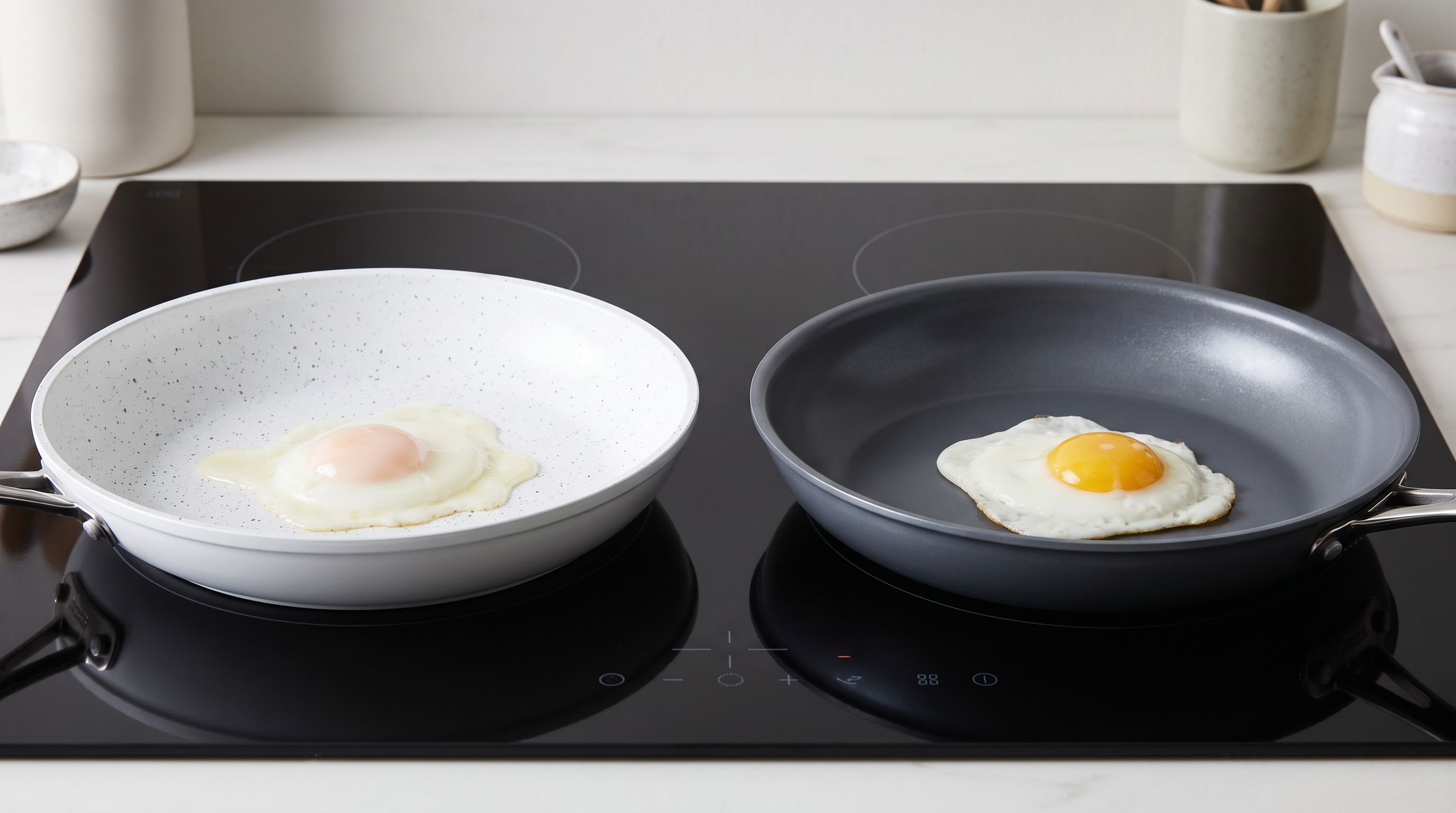
Ceramic vs PTFE Nonstick in 2026: Which Lasts Longer?
Ceramic vs PTFE nonstick cookware compared on heat limits, real-world lifespan, induction compatibility and safety — plus which pans are worth buying in 2026.